Why Easy-to-Read Text Matters in a Coffee Table Book (Especially for People Like Us)
I had a conversation recently with a friend who, like me, has ADHD.
He told me something I’ve heard many times:
“I love photography books, but if there’s too much text, I just check out.”
I get it. I’m the same way.
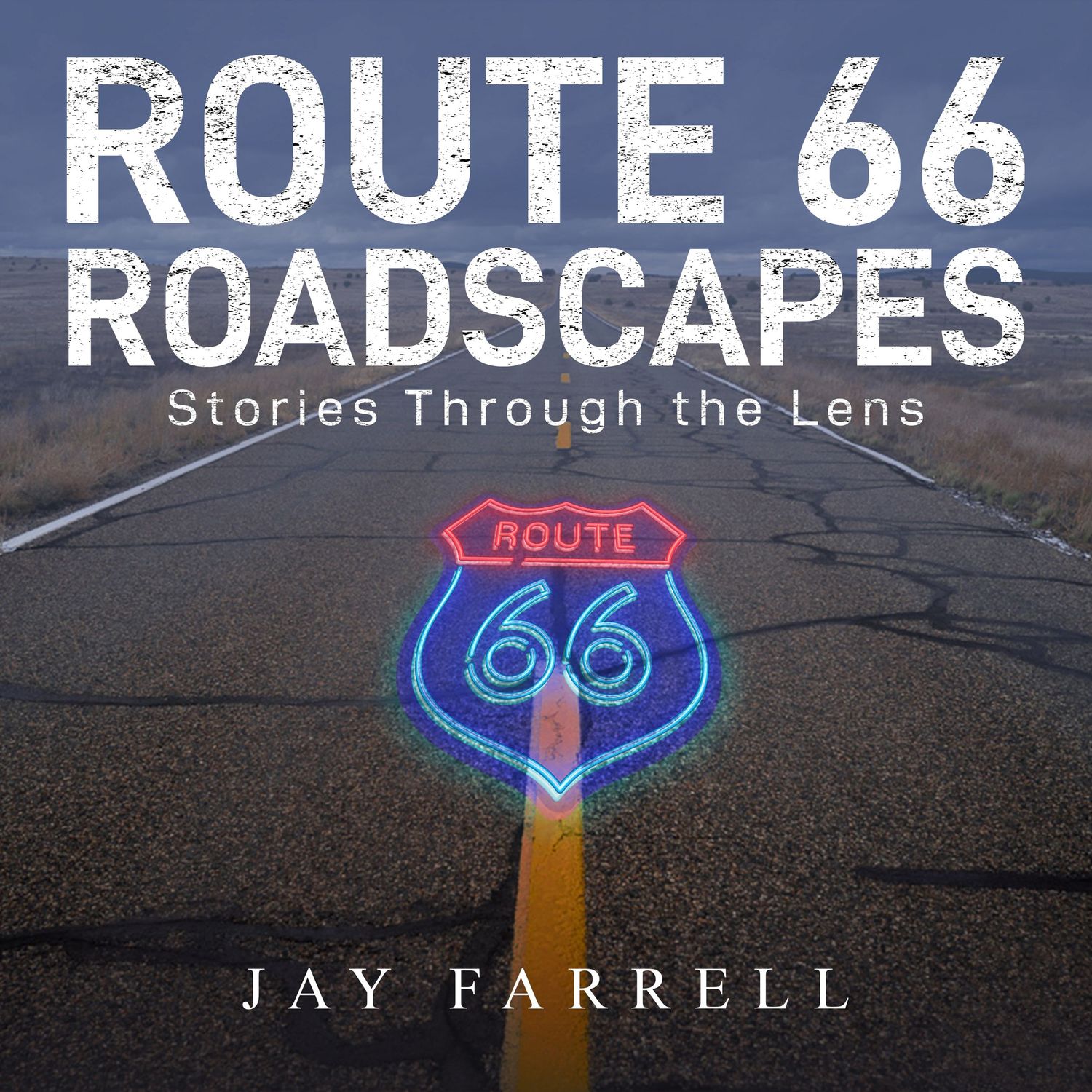
I love stories, but not crowded pages, tiny fonts, or giant blocks of text that feel like homework. When I started creating my Route 66 Roadscapes book, I designed it specifically for people like us — people who love visuals, want context, but need the text to be inviting, not overwhelming.
What Makes a Book “Easy to Read”?
For me, it comes down to a few key choices:
- Comfortable, readable font size
- No micro-text that makes you squint or lose your place.
- Proper paragraph spacing
- White space is breathing room. It keeps the mind from feeling crowded.
- Short, digestible sections
- Intro chapters and captions explain what you’re seeing without turning into a wall of text.
- Clear structure
- Every caption corresponds directly with the image. You don’t have to hunt for information.
- A rhythm between photos and words
- You can read a little, look a lot, and enjoy the flow without feeling overloaded.
Why This Approach Matters
A lot of people don’t talk about this, but reading is not the same experience for everyone.
People with ADHD, dyslexia, reading fatigue, visual stress, or just busy minds can struggle with dense layouts. Even people who don’t have a diagnosis simply want something calm, engaging, and pleasant to pick up.
Accessible design doesn’t just help people with neurodivergence —
it makes the book better for everybody.
A Coffee Table Book That Invites You In
My goal was simple:
-Let the photos take the lead
-Provide meaningful storytelling without TL;DR overload
-Make it a book people can enjoy in small bites or long sittings
- Create something you can pick up anytime without mental friction
It’s photography, but also a journey.
It’s storytelling, but not tiring.
It’s a book designed to be experienced, not conquered.
If it lands in the hands of someone who usually says
“I love photos but I don’t read much”…
and they actually read it?
Then I did my job.